
Introduction
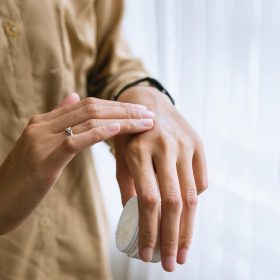
Cracked heels and dry feet are more than just a cosmetic issue — they can cause discomfort, pain, and even infections if left untreated. During the COVID‑19 pandemic, foot care became a bigger priority as people spent more time at home, often barefoot. One product that stood out for its effectiveness and trust was Krack Cream, a dermatologist‑recommended solution for repairing cracked heels and restoring smooth skin.
In this guide, we’ll explore how Krack Cream works, step‑by‑step application, comparisons with other foot care products, and why it remains a trusted choice for families worldwide.
Why Heel Care Matters
Cracked heels are not merely a cosmetic issue, they are a sign of neglected foot health. Every step taken throughout the day exerts pressure on the heels and when that area is compromised by dry skin or fissures, even walking can become painful. As people invest time in facial skincare and hand moisturization, heel care often remains overlooked. This is where Krack cream for feet offers a specialized and effective solution.
Understanding Heel Anatomy and Its Vulnerabilities
What Makes Heels Prone to Cracking?
The heels of the feet are subjected to significant pressure throughout the day, particularly during prolonged periods of standing or walking. Unlike other areas of the skin, the heel has a naturally thicker outer layer known as the stratum corneum, which is designed to absorb impact and resist friction. However, this protective barrier has a notable drawback: it lacks sebaceous glands, which are responsible for secreting natural oils that help keep the skin soft and hydrated.
As a result, the heel area becomes increasingly prone to dryness, especially when exposed to environmental stressors such as cold weather, dry air, or walking barefoot on rough surfaces. Over time, the skin in this region can become dehydrated, lose its elasticity, and begin to crack under pressure. The repetitive motion of the foot, combined with insufficient moisturization, causes the outer skin layers to split, leading to visible cracks and discomfort.
Contributing factors such as obesity, poorly fitting footwear, lack of foot hygiene, and certain medical conditions—like diabetes or eczema—can exacerbate the situation. When left untreated, these minor cracks can evolve into deeper fissures, increasing the risk of pain, bleeding, and infection.
The Skin Barrier and Pressure Points
The skin barrier, also known as the stratum corneum, plays a critical role in protecting the body from environmental threats and retaining moisture. On the heels, this layer is significantly thicker, designed to endure high-impact activity and shield the underlying tissues. However, its durability can become a liability when hydration levels drop.
With every step, the heel expands sideways. When the skin is dry and inelastic, this natural expansion causes the surface to split, leading to painful fissures. These pressure points, particularly on the edge of the heel, are the most susceptible to cracking. The stress is intensified in individuals who are overweight, as the added mass increases the force applied to the feet.
Moreover, the absence of sweat and oil glands in this area hinders the heel’s ability to self-lubricate. Without proper moisture retention, the skin becomes brittle and vulnerable to damage. Walking on hard floors, wearing shoes without adequate heel support, or standing for long hours all amplify this pressure, progressively weakening the skin barrier.
As this barrier deteriorates, it fails to perform its essential function—protecting against pathogens, irritants, and allergens. Small cracks quickly become entry points for bacteria, leading to inflammation, pain, and infection if left unmanaged.
Common Causes of Rough and Cracked Heels
Dry Skin and Environmental Exposure
One of the primary culprits of cracked heels is dry skin, medically referred to as xerosis. Cold weather, low humidity, excessive exposure to hot water, and lack of moisturization all contribute to this condition.
Lifestyle and Medical Factors
- Prolonged standing on hard surfaces
- Wearing open-back or ill-fitting footwear
- Obesity, which increases pressure on the heels
- Medical conditions such as diabetes, hypothyroidism, or eczema
The Role of Fissures and Chilblains in Heel Damage
What Are Fissures?
Heel fissures are deep, narrow splits that occur in the skin of the heels, resulting from a combination of dryness, pressure, and loss of skin elasticity. Unlike superficial cracks, fissures penetrate through the stratum corneum and can extend into the dermal layers, making them painful and prone to complications.
These splits often begin as fine lines but can widen and deepen if left untreated, particularly in individuals who walk or stand for extended periods without proper foot support. The repetitive stress on the heels, coupled with hardened skin that lacks moisture, causes the skin to break open. This is commonly seen in people with calloused feet or underlying dermatological conditions such as eczema or psoriasis.
Fissures not only cause discomfort but also pose a risk of infection. Once the skin barrier is compromised, bacteria and fungi can enter the deeper layers, triggering inflammation, redness, and even bleeding. In severe cases, untreated heel fissures can lead to cellulitis or abscess formation, necessitating medical intervention.
Effective management involves removing the build-up of dead skin through gentle exfoliation and replenishing lost moisture with emollient-rich creams. Krack Heel Repair Cream is specifically formulated to target these fissures by hydrating, softening, and sealing the affected skin, allowing it to heal from within.
Understanding Chilblains
Chilblains, medically known as pernio, are localized inflammatory skin conditions that occur in response to sudden exposure to cold and damp conditions followed by rapid warming. These small, red or purplish lesions develop due to the abnormal response of blood vessels under the skin. When exposed to cold, these vessels constrict, and upon rewarming, they may not dilate quickly enough. This results in blood leakage into surrounding tissues, leading to swelling, pain, and irritation.
Typically appearing on extremities like heels, toes, fingers, ears, and even the nose, chilblains are exacerbated by poor circulation and pre-existing skin conditions such as eczema or dry skin. On the heels, they manifest as swollen, tender patches that feel itchy or burning. In more severe cases, the skin may blister, crack, or become ulcerated, especially when combined with heel fissures or existing dryness.
The presence of chilblains alongside rough and cracked heels further complicates foot care, demanding specialized treatment and preventive measures. Protective footwear, gradual warming, and consistent use of emollient-rich creams like Krack Heel Repair Cream help soothe affected areas, restore moisture, and prevent flare-ups in colder months.
Why Heel Care Should Be a Daily Ritual
Foot Care Is Essential Health Care
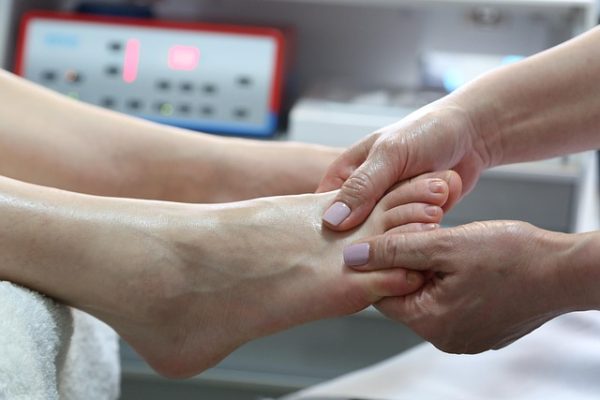
Regular heel care is a preventive measure against more serious dermatological problems, and its importance often goes underestimated. Our feet support our entire body weight and facilitate mobility, yet they are frequently neglected in daily hygiene routines. This neglect can lead to a range of complications—from minor discomfort to debilitating skin conditions that affect one’s ability to walk, exercise, or carry out basic tasks.
Foot care is not just a cosmetic practice; it is a vital component of personal healthcare. Dryness, calluses, and cracked heels may seem superficial, but they can evolve into serious medical issues, particularly for people with diabetes, neuropathy, or compromised circulation. In such individuals, even minor cracks can serve as entry points for infection, which may escalate quickly and result in ulcers or systemic illness.
Moreover, untreated foot problems often lead to altered gait patterns and imbalances in posture. This can affect the knees, hips, and lower back, contributing to musculoskeletal pain and long-term complications. Routine foot inspections, moisturization, and the use of therapeutic products like Krack Heel Repair Cream not only alleviate immediate symptoms but also serve as a safeguard for broader physical health.
Incorporating foot care into a holistic wellness regimen ensures mobility, independence, and quality of life as we age. It is a fundamental, non-negotiable aspect of total body care.
Long-Term Benefits of Daily Heel Maintenance
- Enhances comfort and mobility
- Improves skin texture and appearance
- Reduces the risk of fungal or bacterial infections
- Supports overall foot hygiene
Introduction to Krack Heel Repair Cream
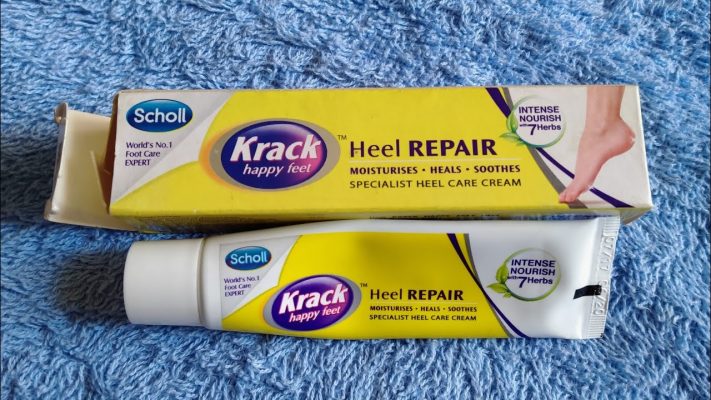
What is Krack Cream?
Krack Cream is a specialized foot care product formulated to:
- Heal cracked heels and fissures.
- Provide deep moisturization.
- Offer antibacterial protection to prevent infections.
- Deliver visible results within days of consistent use.
Its unique blend of emollients and healing agents makes it safe for daily use, even on sensitive skin.
Why Foot Care Matters Post‑COVID
- Hygiene habits established during the pandemic (like regular handwashing) extended to foot care.
- Barefoot walking at home increased heel dryness.
- Preparedness mindset encouraged stocking up on trusted products like Krack Cream.
Maintaining these habits today ensures healthier, happier feet year‑round.
Step‑by‑Step: How to Apply Krack Cream
- Wash & Dry Feet – Cleanse with mild soap (Dettol Soap Bars are a great option).
- Exfoliate Gently – Remove dead skin with a pumice stone.
- Apply Krack Cream – Massage into heels and dry areas in circular motions.
- Cover Overnight – Wear cotton socks to lock in moisture.
- Repeat Daily – Consistency is key for lasting results.
A Specialized Formulation for Cracked Heels
Krack Heel Repair Cream is a medically formulated treatment designed to address rough and cracked heels. Unlike cosmetic moisturizers, it penetrates deeper skin layers to treat the root cause of heel fissures.
Multi-Purpose Use Beyond Just Heels
In addition to heel repair, Krack Cream is effective on chapped hands, dry elbows, and even minor fissures. It supports overall foot care and restores skin integrity in various areas.
Powerful Ingredients in Krack Cream
Urea – A Deep Skin Hydrator and Exfoliant
Urea softens and dissolves hardened dead skin cells while retaining moisture within the skin, making it a dual-action compound ideal for treating dry, callused feet.
Lactic Acid – Gentle Exfoliation
Lactic acid breaks down the keratinized layers of skin, facilitating natural exfoliation and rejuvenation.
Lanolin – A Natural Moisture Sealant
Lanolin creates a breathable barrier that locks in hydration while allowing skin to heal underneath.
Allantoin – A Skin Calming Agent
Allantoin helps soothe irritated skin, making Krack Cream suitable for even sensitive skin areas affected by fissures or mild inflammation.
How Krack Cream Heals Cracked Heels
Penetration into Deep Skin Layers
Upon application, Krack Cream seeps into the deeper epidermis, targeting both surface-level dryness and deeper tissue fissures. This sets it apart from regular moisturizers that merely coat the skin.
Rehydration and Regeneration
By reintroducing moisture and promoting exfoliation of dead skin, Krack Cream triggers a cycle of regeneration that visibly repairs rough heels within days.
How to Apply Krack Heel Repair Cream Properly
Step-by-Step Application for Best Results
- Wash and dry feet thoroughly.
- Gently exfoliate using a pumice stone to remove loose dead skin.
- Apply a generous amount of Krack Cream to the heel, massaging in circular motions.
- For overnight care, cover the feet with cotton socks after application.
- Repeat twice daily—morning and night.
Consistency Is Key
Visible results typically appear within 3 to 5 days, with significant healing evident after one week of regular use.
Best Time to Apply Krack Cream
Post-Bath Moisturization
Apply Krack Cream immediately after bathing, when the skin is clean and slightly damp. This allows the cream to absorb more effectively.
Night-Time Application
Night is ideal for healing as the body is at rest. Applying the cream before bed ensures uninterrupted absorption and accelerates the repair process.
Visible Benefits of Using Krack Heel Repair Cream
Smoother Skin and Reduced Roughness
Users report a significant reduction in rough and cracked heels, along with visibly softer skin.
Pain Relief and Crack Sealing
The healing agents quickly reduce discomfort associated with heel fissures and initiate the crack-closing process.
Long-Term Protection
Regular application builds skin resilience, preventing recurrence of dryness and fissures.
Treating Chapped Hands with Krack Cream
Versatile Application for Hands and Elbows
Krack Cream’s emollient-rich formula makes it suitable for chapped hands, especially during winter or in people with frequent handwashing habits. Apply Krack Cream liberally to affected areas for rapid softening and healing.
Targeted Healing vs. Surface Moisturization
Unlike generic foot creams, Krack is a therapeutic heel repair cream. Its urea-based formulation targets deep skin issues, while many products only provide superficial relief.
Faster Results with Less Product Use
Thanks to its high efficacy, Krack Cream delivers visible results with minimal application, making it cost-effective over time.
Dermatologically Tested and Safe for Regular Use
Gentle Yet Potent
Krack Cream is free from harsh chemicals and parabens, making it safe for sensitive skin. It is dermatologically tested and widely recommended by healthcare professionals.
Patch Test Recommendation
For individuals with allergies or ultra-sensitive skin, a 24-hour patch test is advisable before full application.
Preventive Tips for Maintaining Soft, Healthy Heels
Daily Moisturizing and Hydration
Use a heel care product like Krack Cream as part of your daily routine to lock in moisture and preserve skin elasticity.
Proper Footwear
Avoid open-back sandals and shoes that create undue pressure on the heels. Cushion your feet with shock-absorbing insoles.
Weekly Exfoliation
Remove dead skin using a foot scrub or pumice stone weekly to prevent buildup and cracking.
Stay Hydrated
Internal hydration is as important as topical care. Drinking adequate water supports healthy skin from the inside out.
Common Myths About Heel Repair Creams
“All Moisturizers Are the Same”
Not all moisturizers are designed for heel fissures. Krack Cream offers a specialized formula for medical-grade heel repair.
“Cracks Will Heal on Their Own”
Without intervention, cracks often deepen. Early use of Krack Cream prevents complications and accelerates healing.
Elevate Your Foot Care Routine with Krack Heel Repair Cream
The heels are foundational to our mobility, yet often the most neglected part of our skincare regimen. Krack Heel Repair Cream offers a clinically-proven, fast-acting solution for those suffering from dry skin, rough and cracked heels, chapped hands, fissures and chilblains. With a formulation backed by dermatological science and time-tested results, it serves as a crucial addition to any comprehensive foot care routine.
Make heel care a priority—apply Krack Cream daily and step forward in comfort and confidence.
Krack Cream vs Other Heel Care Products
| Product | Key Benefit | Best For | Price Range |
|---|---|---|---|
| Krack Cream | Fast healing + antibacterial | Cracked heels, fissures | Affordable |
| Flexitol Heel Balm | Intense hydration | Severe dryness | Mid‑range |
| Vaseline Heel Repair | Moisture barrier | Mild dryness | Budget |
FAQs
Q1: How long does Krack Cream take to work? Visible improvement usually appears within 3–5 days of daily use.
Q2: Is Krack Cream safe for diabetics? Yes, but consult your doctor before use if you have advanced foot complications.
Q3: Can I use Krack Cream on hands? Yes, it works on dry, cracked skin anywhere on the body.
Q4: Where can I buy Krack Cream online? You can order directly from Alltimechemist.com (alltimechemist.com) with worldwide shipping.
Conclusion
Cracked heels don’t have to be a daily struggle. With Krack Cream, you can restore smooth, healthy feet quickly and safely. Its proven formula, affordability, and antibacterial protection make it a must‑have in every household.
 Order now: Krack Cream at Alltimechemist (alltimechemist.com)