Description
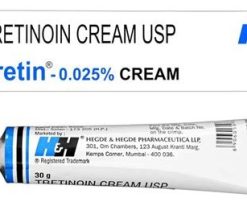
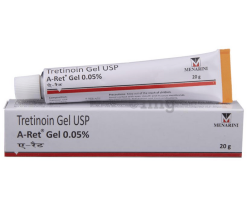
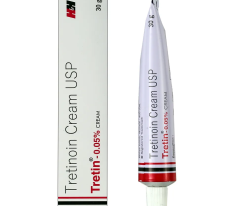
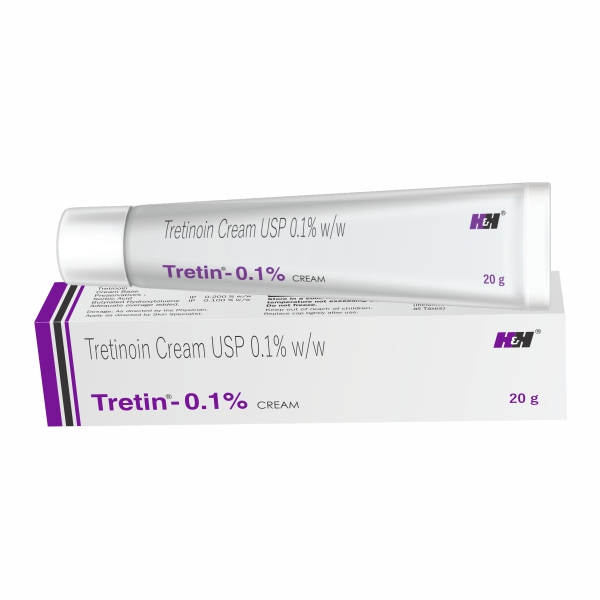
Tretin 0.1% Cream 20 g – Product Information
Product Overview
Tretin 0.1% Cream is a topical formulation containing tretinoin 0.1% w/w, a retinoid derived from vitamin A. It is used in the management of acne vulgaris when prescribed by a qualified healthcare professional. Tretinoin works by influencing the turnover of skin cells and helping to prevent the accumulation of dead cells within hair follicles.
What Is Tretin 0.1% Cream Used For?
Tretinoin cream is principally used to manage acne vulgaris. By helping normalise the shedding of skin cells within follicles, it can reduce the formation of comedones, including blackheads and whiteheads, and support the treatment of acne lesions.
The suitability of a 0.1% formulation depends on the patient’s skin condition, previous treatment, tolerance and medical history. A healthcare professional should determine whether this strength and formulation are appropriate.
How Does Tretinoin Work?
Tretinoin acts on cellular processes involved in skin renewal. It helps prevent dead skin cells from accumulating inside hair follicles, reducing the likelihood of blocked pores and comedone formation.
Improvement develops gradually rather than immediately. Consistent use according to the prescribed regimen is important, while excessive application does not accelerate results and may increase irritation.
Directions for Use
Use Tretin 0.1% Cream only according to the instructions provided by the prescribing healthcare professional and the product leaflet.
General precautions for topical tretinoin include:
- Clean the affected area gently and allow the skin to dry completely.
- Apply only the prescribed amount to the designated area.
- Avoid contact with the eyes, lips, nostrils and other sensitive areas.
- Wash your hands after application unless the hands are being treated.
- Follow professional advice regarding moisturisers, sun protection and other topical products.
Do not increase the amount or frequency of application without medical advice.
Possible Side Effects
Tretinoin may cause local skin reactions, particularly during the initial stages of treatment. These can include:
- Dryness and peeling
- Redness
- Burning or stinging sensations
- Irritation and increased skin sensitivity
Seek medical advice if reactions are persistent or severe. Stop using the product and obtain prompt medical attention if significant swelling, blistering or a severe skin reaction develops.
Important Safety Information
Tretinoin is not suitable for everyone. Tell your healthcare professional about existing skin conditions, allergies and all medicines or skincare products you use.
- Pregnancy: Do not use topical tretinoin during pregnancy or when planning pregnancy unless a qualified healthcare professional has specifically assessed the circumstances and advised you. Contact your clinician if pregnancy occurs during treatment.
- Breastfeeding: Seek individual medical advice before use.
- Sensitive or damaged skin: Avoid applying it to sunburned, broken or severely irritated skin. Discuss eczema or other inflammatory skin conditions with a healthcare professional.
- Sun exposure: Tretinoin can increase skin irritation and sensitivity. Use appropriate sun protection and follow professional guidance.
- Other skincare treatments: Exfoliating acids, abrasive scrubs, benzoyl peroxide and other retinoids may increase irritation when used in the same routine. Ask your clinician or pharmacist how to coordinate treatments.
Storage Instructions
Store the product according to the manufacturer’s packaging and leaflet. Keep the tube securely closed, protect it from excessive heat and direct sunlight, and keep it out of the reach of children. Do not use the product after its stated expiry date.
Frequently Asked Questions
What is Tretin 0.1% Cream used for?
Tretin 0.1% Cream contains tretinoin, a topical retinoid commonly used for the treatment of acne, acne scars, uneven skin tone, fine lines, wrinkles, and signs of photoaging. It works by increasing skin cell turnover and helping to keep pores clear.
How long does Tretin 0.1 Cream take to work?
Many users begin noticing improvements in acne and skin texture within 6 to 12 weeks. More significant improvements in fine lines, acne scars, and hyperpigmentation may require several months of consistent use.
Is Tretin 0.1 stronger than Tretin 0.05?
Yes. Tretin 0.1% is one of the strongest topical tretinoin concentrations available and may provide faster results for some users. However, it is also more likely to cause irritation, redness, dryness, and peeling.
Does Tretin 0.1 Cream help with acne scars?
Tretinoin stimulates new skin cell growth and collagen production, which may gradually improve the appearance of acne scars, dark marks, and uneven skin texture.
Can Tretin 0.1 Cream reduce wrinkles?
Yes. Tretinoin is widely used in anti-ageing skincare routines because it can help improve fine lines, wrinkles, skin texture, and overall skin appearance when used consistently.
Does Tretin 0.1 cause skin purging?
Some users experience temporary breakouts during the first few weeks of treatment. This process is commonly referred to as skin purging and usually improves as the skin adjusts to tretinoin.
Can Tretin 0.1 Cream cause peeling?
Yes. Dryness, redness, peeling, and mild irritation are common side effects, particularly during the first few weeks of use.
Can I use moisturiser with Tretin 0.1 Cream?
Yes. A gentle moisturiser may help reduce dryness and irritation associated with tretinoin treatment.
Do I need sunscreen when using Tretin 0.1?
Yes. Tretinoin increases skin sensitivity to sunlight. Daily use of broad-spectrum SPF 30 or higher sunscreen is strongly recommended.
Can I use Tretin 0.1 during pregnancy?
Topical tretinoin should generally be avoided during pregnancy and while planning pregnancy. Consult a qualified healthcare professional for advice.
Where can I buy Tretin 0.1 Cream online?
Tretin 0.1 Cream can be purchased from Alltimechemist with secure ordering and worldwide shipping options.